
Contents
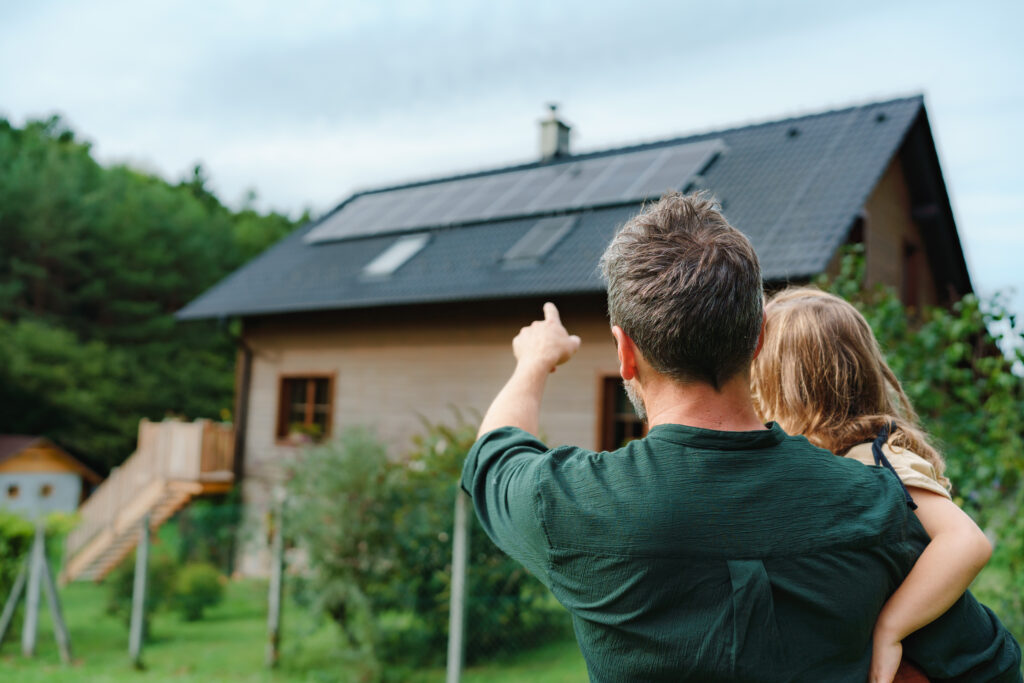
Scotland has over 200,000 homes with renewables installed — and that number keeps growing. Energy costs are high, the technology has matured significantly, and the financial case for solar in Scotland is stronger than it has ever been. But solar is a significant investment, and the decisions you make before installation matter just as much as the panels themselves. Get them right and you will have a system that performs well for 25 years and pays for itself several times over. Get them wrong and you could end up with an undersized system, an ineligible grant claim, or an installer who disappears after sign-off.
This guide covers everything you need to think about before calling an installer — your roof suitability, system costs, available grants, planning rules, battery storage, and how to find an MCS-certified installer you can trust.
1. Does Solar Actually Work in Scotland's Climate?
The most common objection is the weather. It's a myth. Modern solar panels generate electricity from daylight, not direct sunshine. Scotland receives enough solar irradiation to make panels financially viable for the vast majority of homes.
Edinburgh gets around 1,100–1,200 kWh/m² of irradiation per year. A 4kW system in Central Scotland typically generates 2,900–3,400 kWh estimated annually — enough to cover a significant share of a typical household's 3,000–5,000 kWh consumption. Panels also perform better in cooler temperatures, so Scotland's climate is an advantage, not a drawback.
Even in Scotland, a well-sited 4kW solar system can generate up to 3,400 kWh per year — enough to cut the average household electricity bill by up to 60%.
It's also worth noting that different parts of Scotland receive meaningfully different levels of irradiation. Eastern Scotland — Edinburgh, Fife, Angus — typically enjoys more sunshine hours than the west coast. That said, even homes in Inverness or Argyll receive enough irradiation to make solar a sound financial investment. The key is choosing the right system size for your location and consumption, not dismissing solar based on a rough assumption about Scottish weather.
For a full breakdown of how panels perform on overcast days, including real output data for Scottish locations: Do Solar Panels Need Direct Sunlight in Scotland?
2. Is Your Home Suitable?
Before thinking about costs or grants, the first question is whether your property is a strong candidate for solar. A professional site survey will give you a definitive answer — but here's what to consider before you pick up the phone.
- Orientation: South-facing is ideal. SE and SW achieve ~estimated 95% output. East/west can reach 80–85%. North-facing is not viable.
- Roof pitch: 30–40 degrees is ideal for Scottish latitudes. Flat roofs can use angled mounting frames.
- Roof condition: Panels last 25+ years. Your roof must be sound before installation — repair it first if needed.
- Shading: Trees, chimneys, and dormers reduce output. A site survey will assess this before you commit.
- Roof size: Most 3-bed homes need 10–14 panels. See our Solar Panel System Size Guide for a tailored calculation.
- Tenement flats: You may not own the roof, or may need co-owner or factor consent. Check your title deeds before requesting quotes.
- Listed buildings & conservation areas: Planning consent is likely required. Check with your local authority first.
Every Thermal Care installation starts with an individual property assessment — not a catalogue quote: Solar Panel Installers Scotland
3. How Much Do Solar Panels Cost in Scotland?
A typical solar PV system in Scotland in 2026 usually costs around £6,000–£8,000 for a 4kW installation, with smaller systems starting lower and larger systems or battery setups costing more. Residential solar installations in Great Britain currently qualify for 0% VAT under the existing energy-saving materials rules, which are scheduled to run until 31 March 2027.
| Home Size | System | Approx Cost | Est. Annual Saving |
| 1–2 bed | 2–3kW | £5,000–£6,500 | £450–£650 |
| 3 bed | 3–4kW | £6,500–£8,000 | £650–£900 |
| 4+ bed | 5–6kW | £8,000–£12,200 | £900–£1,567 |
| With Battery | 3–4kW + battery | £10,500–£14,000 | Up to £1,567+ |
All prices include panels, inverter, mounting, scaffolding, cabling, and MCS certification. Finance is available through our partner Phoenix Finance, spreading the cost with monthly repayments offset by your energy savings: Finance Options
For payback timelines and real savings projections: Solar Panel Payback Period in Scotland
4. How Much Can You Save?
Solar can cut a Scottish household's electricity bill by an average of 62% — around £660 per year. Savings range from £450 for smaller systems to over £1,500 when combined with battery storage and EV charging. Your exact saving depends on several factors:
- Self-consumption rate: The more of your generated electricity you use during the day, the greater the saving. Working from home increases this naturally.
- Battery storage: Without a battery, surplus daytime generation is exported at a low rate. With a battery, you use it in the evening — significantly increasing your annual saving.
- EV charging: Using solar to charge an electric vehicle at home saves several hundred pounds per year on top of your energy bill reduction.
- Smart Export Guarantee (SEG): Any surplus electricity exported to the grid earns a payment per kWh from your energy supplier. Only MCS-certified installations qualify — another reason accreditation matters.
- System size: Each additional kW of capacity adds approximately £230–£260 in annual savings. A larger system costs more upfront but pays back proportionally over its lifetime.
5. Choosing the Right Panels for Scotland
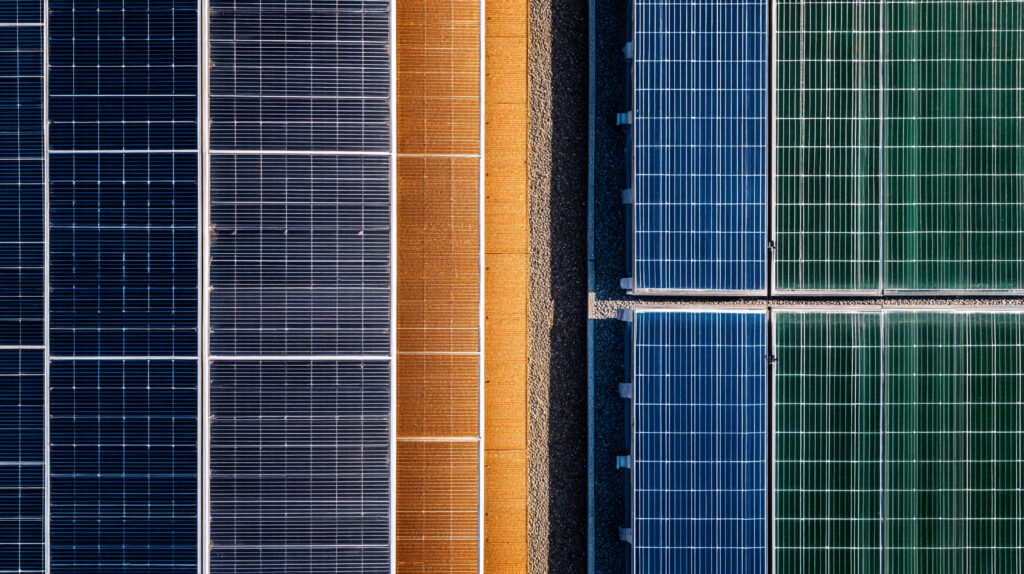
Monocrystalline panels are usually the preferred option for Scottish homes because they offer high efficiency, strong performance in low-light conditions, and a neat all-black finish that suits many roof types, including traditional properties. Polycrystalline panels are generally less common in new installations, as they are typically a little less efficient and may need more roof space to produce the same amount of electricity.
Key Specs to Check
- Efficiency: Aim for 20%+. The difference compounds over 25 years on a limited roof.
- Cell technology: N-type cells (TOPCon or IBC) outperform older PERC technology in low-light — important for Scotland.
- Warranty: Minimum 25-year performance guarantee and 12–15 year product warranty.
- Degradation rate: Quality panels degrade less than 0.5%/year — still producing 85%+ of original output after 25 years.
Our full panel selection guide for Scottish homes: Best Solar Panels for Scotland in 2026
6. Should You Add Battery Storage?
Panels generate during the day. Most households use most energy in the evening. Without a battery, surplus daytime generation is exported to the grid at a low SEG rate — then you import it back at a much higher tariff that night. A battery captures that surplus so you use it yourself.
- Out during the day? Battery storage is highly recommended — it significantly increases your self-consumption rate and improves the financial return on your panels.
- Have an EV? Charge overnight from solar stored during the day. Combined with EV charging, solar and battery together can deliver savings of over £1,500 per year.
- Budget tight now? Ask about a battery-ready installation. This means the system is designed and wired to accept a battery later — without major disruption or additional survey costs.
- What size? Most Scottish homes use a 5–10kWh battery. A 5kWh battery suits smaller households or 2–3kW systems. A 10kWh battery is most popular for 3–4kW systems in average-sized homes.
Find out whether battery storage makes financial sense for your property: Solar PV and Battery Services
7. Grants and Financial Support in Scotland

The grant landscape in Scotland has changed. Household support is more limited than before, but homeowners and community groups can still access meaningful help through Home Energy Scotland, Warmer Homes Scotland, ECO4, and CARES, depending on eligibility.
| Scheme | What it offers | Who qualifies | Status |
|---|---|---|---|
| Home Energy Scotland grant and loan | Grants and loans for eligible home energy improvements | Homeowners in Scotland | ✅ Active |
| Warmer Homes Scotland | Fully funded energy-efficiency improvements for eligible households | Low-income households, qualifying benefits, EPC and vulnerability criteria | ✅ Active |
| ECO4 | Energy-efficiency support that may include solar in some cases | Eligible households, usually based on benefits and other criteria | ⚠️ Current scheme extended to 31 Dec 2026 |
| CARES | Funding and support for community energy and community buildings | Community organisations, faith groups, community buildings | ✅ Active for community projects |
| Warm Homes Plan | Proposed successor framework | TBC | 🔜 Coming soon |
Always verify current eligibility before factoring any grant into your budget. Contact Home Energy Scotland directly on 0808 808 2282 or visit their website. The ECO4 deadline of 31 December 2026 is approaching fast — if you may qualify, act now.
8. Planning Permission in Scotland
Most residential installations fall under permitted development rights — no planning application needed. Exceptions apply for listed buildings, conservation area properties where panels face a public road, and some tenements where co-owner or factor consent is required separately from planning.
Scotland's planning rules differ from England and Wales — don't rely on generic UK guidance. For example, permitted development rights in Scotland were updated by the Town and Country Planning (General Permitted Development) (Scotland) Amendment Order, and the rules around conservation areas and road-facing panels are specific to Scottish planning policy.
A good installer will confirm your permitted development status during the site survey and raise any issues before work begins. Our team handles all pre-installation planning checks as standard: Solar Panel Installers Scotland
9. The Installation Process: What to Expect
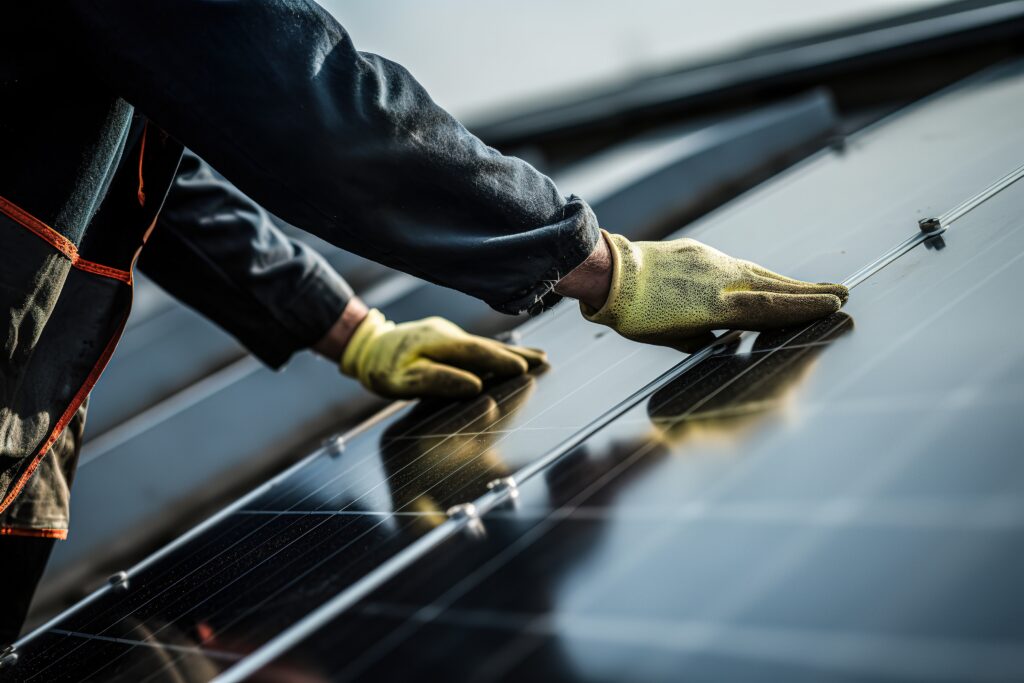
A standard residential installation takes 2–5 working days and covers: scaffolding, mounting rail installation, panel fitting, inverter installation, consumer unit connection, system testing, and MCS certification.
What to Look for in an Installer
- MCS accreditation: Non-negotiable — required for SEG payments, Home Energy Scotland funding, and DNO approval.
- RECC registration: Provides consumer protection throughout the sales and installation process.
- Site survey before quoting: Any installer unwilling to survey before issuing a quote is a red flag.
- Detailed written quote: Panel model, inverter, warranty terms, and post-installation support — all in writing.
- At least three quotes: Compare like for like. Cheapest isn't always best value.
See how our design and installation process works from survey to sign-off: Design & Install
10. Solar + Other Technologies
Solar panels work harder when paired with other technologies, and thinking about these combinations at the design stage can significantly improve the financial case for installation.
EV charging: Charging your electric vehicle from your own generated electricity rather than from the grid saves several hundred pounds per year on top of your household energy bill savings. Thermal Care Scotland installs EV chargers alongside solar — combining both in a single project saves on scaffolding and survey costs: EV Charger Services
Air source heat pumps: Heat pumps are highly efficient — producing 3–4 units of heat for every 1 unit of electricity consumed. Combined with solar, the electricity powering your heating is generated on your own roof. For Scottish homeowners looking to eliminate gas and reduce their carbon footprint significantly, solar and a heat pump together represent the most comprehensive approach available.
11. Property Value and Long-Term Considerations
Solar panels are a long-term asset, not just a utility upgrade. A solar installation can add up to 2% to property value (Solar Energy UK), and 65% of buyers now say they would purchase a home with solar panels already installed. Homes with solar tend to sell 4–8% faster — and as energy efficiency becomes a more prominent factor in property decisions, this advantage is likely to grow.
A solar installation also improves your Energy Performance Certificate (EPC) rating. This matters increasingly as energy efficiency regulations tighten — particularly for landlords, who face stricter requirements in the coming years. A higher EPC rating also makes your property more attractive to buyers and mortgage lenders.
A typical Scottish home solar PV system saves up to one tonne of CO₂ per year. The carbon cost of manufacturing a solar panel is typically offset within 3–4 years of operation, after which the system generates clean electricity for the remainder of its 25+ year lifespan.
Panels are low-maintenance — an annual clean and a periodic inverter check is typically all that's needed. Rainfall keeps most Scottish roofs reasonably clean. The inverter is the component most likely to need attention, usually after 10–15 years. For ongoing performance support: Maintenance & Servicing
Frequently Asked Questions
Do solar panels work in Scottish winters?
Yes — output is lower in winter due to shorter days, but panels generate year-round. Scotland's long summer days (daylight from 4:30am to 10pm at peak) more than compensate when averaged across the year.
How long is the payback period?
Typically 6–10 years for a Scottish home, depending on system size, usage, and whether battery storage is included. See our full guide: Solar Panel Payback Period in Scotland
Do I need planning permission?
Usually no — most installations fall under permitted development. Listed buildings, conservation areas, and some tenements are exceptions. Your installer should confirm this during the site survey.
Can I get a grant for solar panels in Scotland?
Yes — several schemes are available, including Home Energy Scotland interest-free loans and ECO4 for eligible households (ending December 2026). See Section 7 above for the full breakdown.
What happens to electricity I don't use?
It's exported to the grid and you earn Smart Export Guarantee payments from your energy supplier. With a battery, you store it for evening use first — maximising self-consumption before exporting any surplus.
How long does installation take?
Most residential solar installations take 2–5 working days from start to finish. This covers scaffolding, mounting rail and panel installation, inverter fitting, consumer unit connection, testing, and MCS certification paperwork. Larger systems or properties with more complex access may take a little longer.
Can solar panels be installed on a flat roof?
Yes. Flat roofs require angled mounting frames to achieve the optimal 30–40 degree tilt for Scottish latitudes. The installation is slightly more involved than a pitched roof, but flat roof solar is a well-established and effective option — particularly for commercial properties.
Ready to Take the Next Step?

The financial and environmental case for solar in Scotland is strong — and it's only getting stronger. The key decisions are straightforward: assess your roof, size the system to your needs, check grant eligibility, and only use MCS-certified installers.
Thermal Care Scotland are MCS and RECC-accredited solar panel installers based in Bathgate, West Lothian, serving homes and businesses across Central Scotland. We'll give you an honest assessment of what solar will and won't do for your property — before you commit to anything.
📞 Book a no-obligation property assessment: Contact Us
