
Contents
Winter places unprecedented demand on commercial heating Scotland businesses rely on to maintain operations. From office buildings in Edinburgh to warehouses in Glasgow, efficient heating systems keep employees comfortable and premises operational during the coldest months. Yet many commercial premises are running on ageing systems that struggle to cope with Scottish winters – leading to unexpected breakdowns, soaring energy costs, and operational disruption at the worst possible time.
Upgrading your commercial heating system before peak winter isn't just about avoiding emergency failures. It's a strategic decision that affects your operational efficiency, energy costs, and business continuity for years to come. Whether you're considering a modern high-efficiency gas boiler or exploring renewable options like heat pumps, autumn and early winter provide the ideal window for planning and installation. This guide explores when to upgrade, what options are available for Scottish businesses, and how to plan your heating upgrade with minimal disruption.
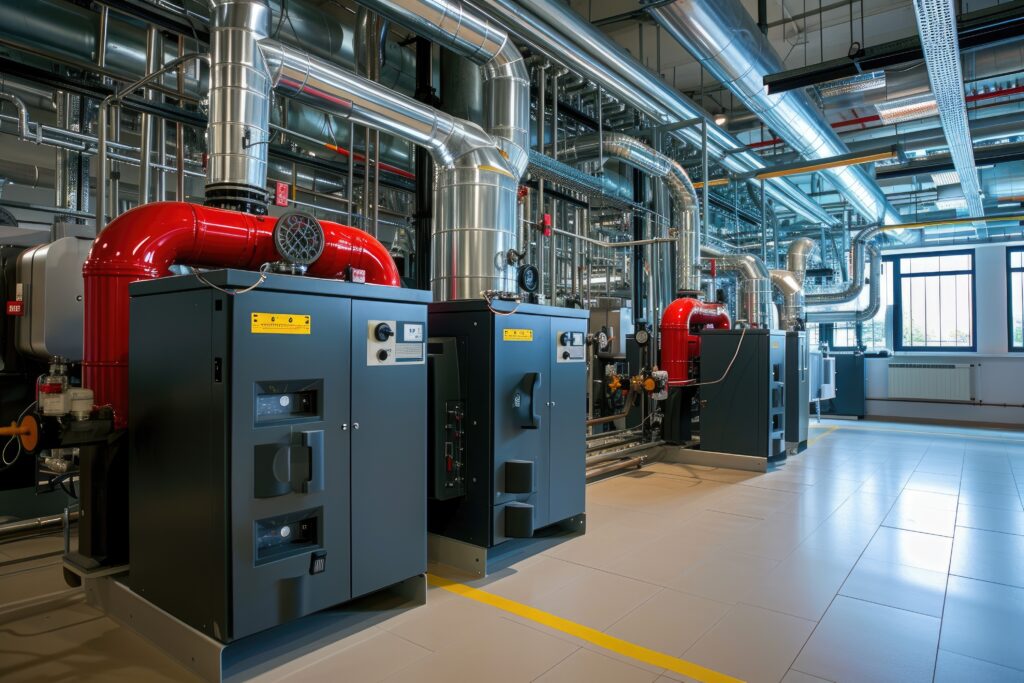
Signs Your Commercial Heating System Needs Upgrading
Knowing when to maintain your existing system versus when to invest in a complete upgrade can save your business thousands. While regular commercial boiler maintenance extends system lifespan, certain indicators suggest replacement is the more cost-effective option.
Age of Your System
Commercial gas boilers typically have a working lifespan of 15-20 years with proper maintenance. If your system is approaching or exceeding this age, efficiency drops significantly and breakdown risk increases. Older systems also consume more fuel to generate the same heat output, directly impacting your operating costs.
Rising Repair Costs
Track your annual repair expenditure carefully. When repair costs exceed 50% of a replacement system's cost, or when you're calling engineers multiple times per year for different issues, replacement becomes financially sensible. Frequent repairs indicate systemic deterioration that maintenance alone cannot resolve.
Inefficiency Indicators
Modern commercial heating systems operate at 90-95% efficiency, while older boilers may run at 70% or lower. Signs of inefficiency include:
- Energy bills rising year-on-year despite similar usage patterns
- Uneven heating across your premises
- Longer warm-up times in the morning
- System struggling during peak demand periods
- Increased fuel consumption without increased output
Compliance Concerns
Older systems may not meet current Scottish building regulations or safety standards. If your system predates recent compliance updates, upgrading ensures you meet all legal requirements while avoiding potential penalties or insurance complications.
Want to know more about compliance cost savings for Scottish businesses ? read our guide Commercial Boiler Maintenance: Compliance & Cost Savings for Scottish Businesses
Obsolete Parts and Technology
When replacement parts become difficult to source or manufacturers discontinue support for your model, you face longer downtime during repairs and higher emergency callout costs. Modern systems also offer smart controls and monitoring capabilities that older systems simply cannot support.

Why Timing Matters: Upgrading Before Peak Winter
Strategic timing transforms a commercial heating upgrade from reactive crisis management to proactive business planning.
Avoiding Emergency Replacements
Emergency heating system failures during December or January force rushed decisions under pressure. You'll face limited engineer availability, potential premium pricing, and significant business disruption while employees work in inadequate conditions. Planning your upgrade during autumn means you choose your solution carefully rather than accepting whatever can be installed fastest.
Installation Flexibility and Planning
Ideally, commercial heating installations should take place during warmer months when heating demands are lower. If you're reading this in late autumn or early winter, it's important to start planning now for installation during the next suitable window. This approach allows you to:
- Schedule installation during quieter business periods
- Coordinate with building works or renovations
- Plan staff arrangements around reduced heating availability
- Arrange phased installations for larger premises
- Complete thorough testing before peak demand arrives
Engineer Availability
Heating engineers face peak demand during winter cold spells when emergency repairs surge. Planning your upgrade for spring or early autumn ensures access to experienced installers who can dedicate proper time to your project rather than rushing between emergency callouts.
Budget Planning
Many businesses operate on April-March financial years. Planning your heating upgrade during autumn allows you to allocate budget for installation during the next financial year, spreading the investment strategically and potentially accessing better financing terms.
Grant and Funding Windows
Various Scottish and UK government schemes support commercial heating upgrades, particularly for renewable installations. These schemes often operate on specific funding windows. Early planning ensures you don't miss application deadlines and can factor potential grants into your budget calculations.

Modern Commercial Heating Options for Scottish Businesses
The commercial heating landscape is evolving. According to the UK Government's Executive summary on GOV.UK, plans target around 80% reduction in gas boiler usage by 2035 as part of broader decarbonisation goals. This doesn't mean traditional heating disappears overnight, but it does mean businesses should consider their long-term heating strategy when planning upgrades.
Traditional Systems: High-Efficiency Gas Boilers
Modern commercial gas boilers deliver significantly better performance than models from even ten years ago, with efficiency ratings of 90-95% compared to 70-80% for older systems.
System vs Regular Boilers
For larger commercial premises, system boilers work well with sealed central heating systems and can serve multiple zones efficiently. Regular boilers suit buildings with existing open-vented systems and high hot water demand. Your choice depends on your building's infrastructure, usage patterns, and whether you're also upgrading pipework and radiators.
When Traditional Makes Sense
Gas boilers remain the right choice for many Scottish businesses, particularly when:
- Existing gas infrastructure is in good condition
- Capital budget favours lower upfront costs
- Building characteristics don't suit heat pumps
- Business operates in a sector with uncertain long-term premises plans
- Infrastructure upgrades required for renewable systems are prohibitive
A well-maintained, high-efficiency gas boiler provides reliable, cost-effective heating for many years. Gas Safe registered installation ensures compliance and safety, while modern controls optimise efficiency.
Renewable Solutions: Future-Proofing Your Business
Renewable commercial heating options have matured considerably, offering reliable performance in Scottish conditions while reducing operating costs and supporting sustainability commitments.
Commercial Air Source Heat Pumps
Air source heat pumps extract heat from outside air and concentrate it for indoor heating. Modern commercial systems operate efficiently even in Scottish winters, with many models performing effectively down to -20°C. They typically reduce heating costs by 30-40% compared to older gas boilers, with the exact saving depending on your current system's efficiency and your building's insulation.
Air Conditioning Systems
Modern commercial air conditioning can provide both cooling and heating through reversible heat pump technology. This dual functionality makes them particularly valuable for offices, retail spaces, and facilities that require both seasonal comfort solutions.
Electric Heaters
For specific applications – such as supplementary heating in particular zones, temporary spaces, or where other systems are impractical – modern electric heaters offer targeted warmth with low maintenance requirements and straightforward installation.
Hybrid Systems
Hybrid systems combine gas boilers with heat pumps, automatically switching between them depending on outdoor temperature and efficiency. The heat pump handles most heating demand efficiently, while the gas boiler provides backup during the coldest days or peak demand periods. This approach balances renewable benefits with the reassurance of traditional reliability.
Solar Integration
Larger commercial premises with suitable roof space can integrate solar PV panels to generate electricity that powers heat pumps or reduces overall energy consumption. While Scotland's climate means solar output varies seasonally, commercial installations benefit from economies of scale and can meaningfully offset energy costs year-round.
When Renewable Makes Sense
Renewable commercial heating delivers particular value when:
- Your business has corporate sustainability or net-zero commitments
- You're planning long-term occupancy of your premises
- Building insulation and heating distribution systems are modern
- You qualify for renewable heating grants or incentives
- You want to future-proof against rising gas prices and tightening regulations

Planning Your Commercial Heating Upgrade
Successful commercial heating upgrades require careful planning to minimise disruption and ensure the new system meets your operational needs.
System Assessment and Heat Loss Calculations
Professional heating engineers conduct heat loss calculations that account for your building's size, insulation, usage patterns, and Scottish climate conditions. This ensures your new system is correctly sized – neither undersized (leading to inadequate heating) nor oversized (wasting energy and capital).
Capacity Requirements
Commercial heating demands differ significantly from domestic installations. Your requirements depend on:
- Total floor area and ceiling height
- Number of zones requiring independent temperature control
- Occupancy patterns and peak usage times
- Hot water demands for facilities, kitchens, or washing facilities
- Any specialist requirements (server rooms, storage areas with specific temperature needs)
Installation Timeline Expectations
Commercial heating installations typically take 3-10 days depending on system complexity and building size. Larger premises or complex renewable installations may require longer. Factor in:
- System delivery lead times (particularly for renewable equipment)
- Any building modifications needed
- Removal and disposal of old equipment
- System commissioning and testing
- Staff training on new controls
Minimising Business Disruption
Work with your installer to schedule installation during quieter operational periods. Weekend or evening installations, while potentially costing more, may prove more cost-effective than lost productivity. Phased installations allow parts of your building to maintain heating while work progresses elsewhere.
Compliance and Certification
All commercial heating work must meet Scottish building regulations and relevant safety standards:
- Gas Safe registration is legally required for any gas boiler installation
- MCS certification is required for renewable installations and unlocks grant eligibility
- REFCOM certification is necessary for heat pump installations (working with refrigerants)
- SafeContractor and SSIP accreditation demonstrate contractor health and safety competence
Insurance-Backed Warranties
Look for installers offering insurance-backed warranties through schemes like IWA (Insurance-Backed Warranties). These protect your investment for up to 10 years, even if the installer ceases trading – providing vital peace of mind for significant capital investments.

ROI and Long-Term Cost Considerations
Commercial heating upgrades represent significant capital investment, but the returns extend well beyond reduced energy bills.
Capital Investment vs Operational Savings
Modern high-efficiency gas boilers typically cost £3,000-£8,000 for small-to-medium commercial applications, with larger systems naturally costing more. Commercial heat pumps range from £10,000-£30,000+ depending on capacity and complexity.
While renewable systems require higher upfront investment, they deliver greater operational savings:
- Heat pumps typically reduce heating costs by 30-40% annually
- High-efficiency gas boilers cut energy consumption by 20-30% compared to older models
- Smart controls optimise system operation, reducing waste
- Modern systems reduce repair frequency and maintenance costs
Energy Efficiency Improvements
Upgrading from a 70% efficient boiler to a 95% efficient model means 25% less fuel achieves the same heat output. For a business spending £5,000 annually on heating, that's £1,250 saved every year – recovering installation costs within several years while reducing carbon emissions.
Maintenance Cost Reductions
New systems benefit from manufacturer warranties (typically 5-10 years) and require less frequent repairs than ageing equipment. Scheduled preventative maintenance costs are also lower for modern systems with fewer mechanical parts prone to wear.
System Lifespan Expectations
Modern commercial heating systems offer 15-20 years of reliable service with proper maintenance. Factor this lifespan into ROI calculations – your investment delivers benefits across two decades of operation.
Funding and Grant Opportunities
Various schemes support commercial heating upgrades:
- The Scottish Government periodically offers business energy efficiency grants
- Heat pump installations may qualify for renewable heat incentives
- Energy efficiency loans provide favourable financing terms
- Your local authority may operate specific business support schemes
Check current availability with your installer, as schemes and eligibility criteria change regularly.

Don't Wait for Emergency: Plan Your Upgrade Now
Commercial heating failures during Scottish winters create operational headaches, uncomfortable working conditions, and costly emergency repairs. Strategic planning transforms heating upgrades from reactive crises into proactive business decisions that improve efficiency, reduce costs, and support your sustainability goals.
Whether you're replacing an ageing gas boiler with a modern high-efficiency model or investing in renewable heating technology, autumn and early winter provide the perfect planning window. You'll secure engineer availability, make informed system choices without pressure, and schedule installation for optimal timing.
At Thermal Care Scotland, we work with businesses across Scotland to assess heating systems and recommend solutions that balance performance, reliability, and cost-effectiveness. As Gas Safe registered and MCS certified installers with REFCOM accreditation and insurance-backed warranties, we deliver commercial heating upgrades across both traditional and renewable technologies. Our team understands Scottish building regulations, climate demands, and business operational needs.
From system assessment through to installation and ongoing maintenance, we're here to keep your business warm efficiently and reliably.
Planning a commercial heating upgrade? Our team assesses your current system and recommends the most cost-effective solution for your business. Get in touch for a free consultation or explore our commercial heating design and installation services.
For ongoing maintenance of your current system, discover our commercial boiler servicing and compliance support.